AIBID
AIBID BLOG

AI & Tech

Latest AI products, models, agents, robotics, chips, funding and open source.

AI Chips · 4 d ago

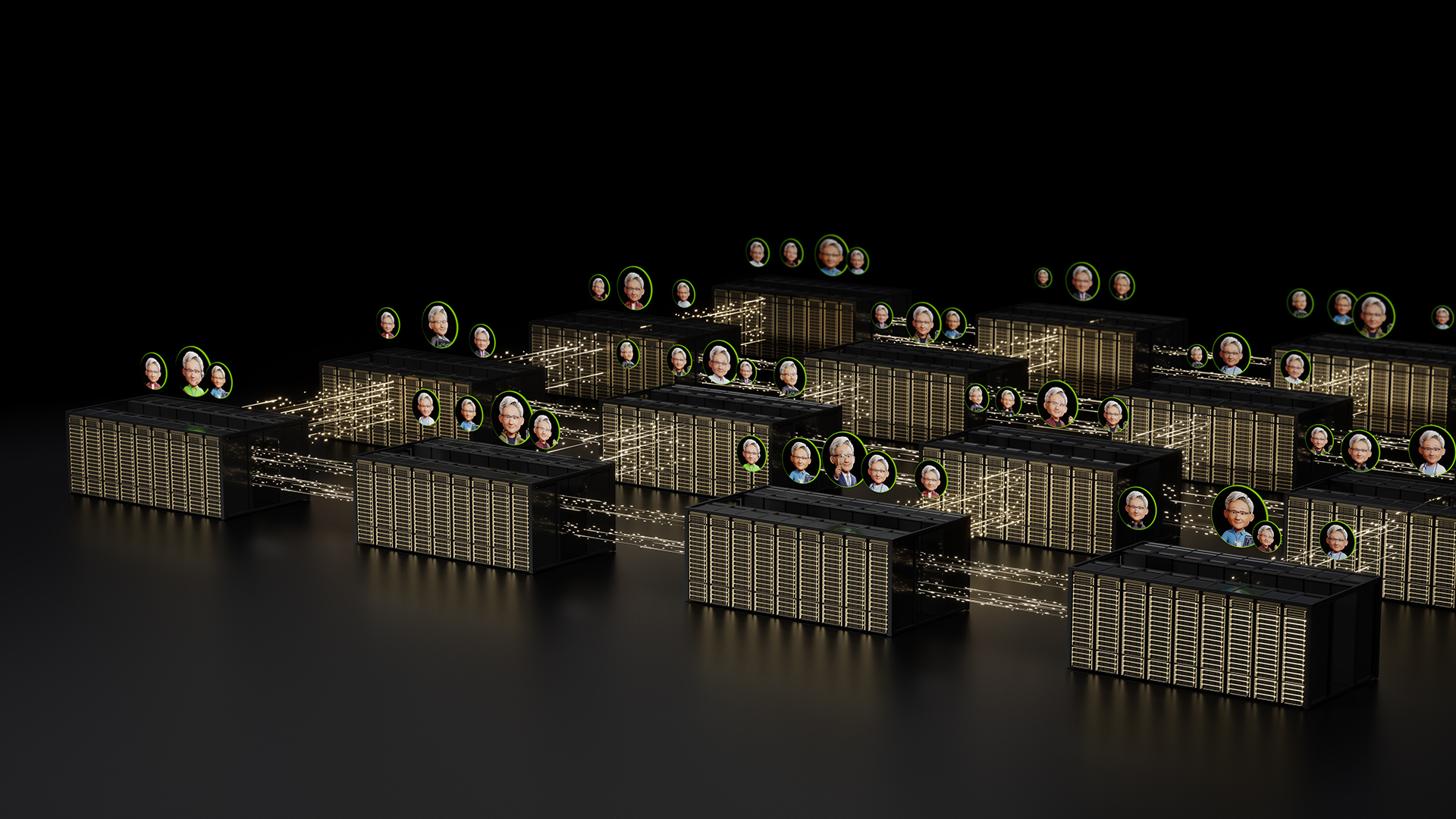
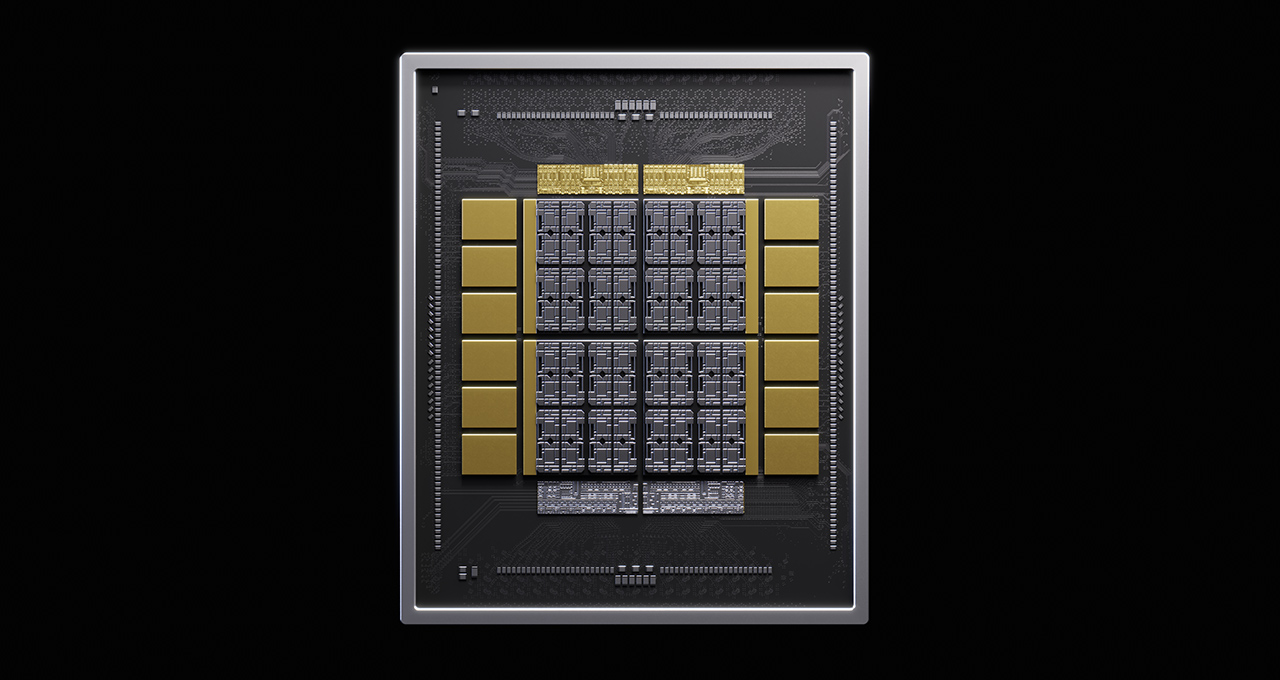
NVIDIA Expands NVLink Fusion With NVHBM Custom High-Bandwidth Memory

What happened

NVIDIA announced an expansion of its NVLink Fusion offering, adding NVHBM, a custom high-bandwidth memory solution.

The move comes as AI agents and trillion-parameter workloads move toward the mainstream, placing new demands on AI infrastructure.

NVIDIA stressed that infrastructure performance increasingly depends on the integrated design of compute, memory, storage, networking and software as a unified system.

Why it matters

This signals a shift beyond raw compute toward system-level co-design, where memory plays a central role in supporting massive AI workloads.

For hyperscalers and AI innovators building next-generation platforms, custom high-bandwidth memory could help address the bottlenecks associated with trillion-parameter models and AI agents.

Key facts

NVIDIA's NVLink Fusion is expanding with NVHBM custom high-bandwidth memory.

AI agents and trillion-parameter workloads are becoming mainstream.

AI infrastructure performance depends on how compute, memory, storage, networking and software are designed together as a unified system.

What to watch next

Further details on how NVHBM integrates with the broader NVLink Fusion architecture and how hyperscalers plan to deploy it.

Potential future announcements on memory specifications, availability and impact on next-generation AI infrastructure builds.

Sources

Read → Keep scrolling for the next story
AI Chips · 5 d ago

NVIDIA RTX Spark to Showcase Blockbuster Games at Gamescom

What happened

NVIDIA announced at Gamescom in Cologne, Germany, that it is bringing the next wave of RTX gaming to the event, with support for new games, anti-cheat technologies, and increased visual quality.

Electronic Arts, Embark, and Ubisoft are among the latest publishers and developers bringing their blockbuster titles to NVIDIA RTX Spark ahead of its launch.

Why it matters

The involvement of major publishers like EA and Ubisoft suggests that RTX Spark will have a strong lineup of high-profile games at launch, which could drive adoption of NVIDIA's RTX technology.

The inclusion of anti-cheat technologies indicates a focus on competitive gaming integrity, which is crucial for multiplayer titles and esports.

Key facts

NVIDIA is showcasing RTX gaming at Gamescom in Cologne, Germany.

Support for new games, anti-cheat technologies, and increased visual quality are part of the announcement.

Electronic Arts, Embark, and Ubisoft are bringing blockbuster titles to NVIDIA RTX Spark.

What to watch next

Expect more details on which specific games will be featured on RTX Spark and how the anti-cheat technologies will be integrated.

Watch for announcements about RTX Spark's launch date and availability, as the event may provide more information.

Sources

Read → Keep scrolling for the next story
AI Chips · 5 d ago

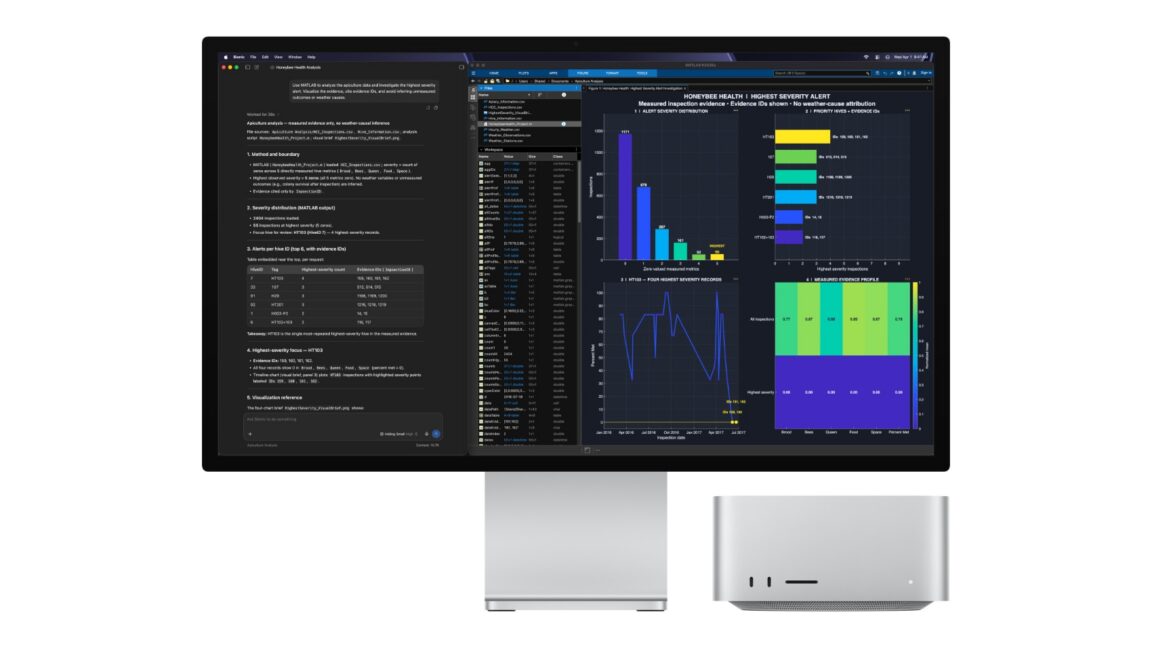
New Mac Studio and Mac mini lean into local AI inference

What happened

Ars Technica reported on 25 August 2026 that Apple's new Mac Studio and Mac mini lean hard into local AI inference.

The report notes people have been daisy-chaining Macs for AI work, and that this refresh keeps that in mind.

Why it matters

Local and cloud inference have different cost shapes: one-time hardware against ongoing per-token billing. That trade-off becomes live again once local machines can hold models of useful size.

Treating a grassroots practice like daisy-chaining as a design input suggests the demand is no longer marginal.

Key facts

Products: new Mac Studio and Mac mini.

Reported emphasis: local AI inference.

Existing practice: users daisy-chaining Macs for AI, accounted for in this refresh.

Reported by: Ars Technica, 25 August 2026.

What to watch next

Memory capacity and bandwidth specifics — largely what decides how big a model fits locally.

How far multi-machine setups are officially supported.

Sources

Read → Keep scrolling for the next story
AI Chips · 6 d ago

Meta's MTIA 300 puts the NIC inside the training chip

What happened

On 24 August 2026 Meta's engineering team introduced MTIA 300, the first training chip in its in-house accelerator family, optimised for training ranking and recommendation models.

The stated design point is built-in NIC chiplets that handle the communication demands of recommendation training, paired with Meta's communication library HCCL, which was co-designed alongside the silicon.

Why it matters

For recommendation training the bottleneck is frequently data movement between accelerators rather than raw compute. Moving the NIC from the board onto the package attacks that path directly.

The co-design detail matters too: benefits tied to a specific communication library imply gains that travel with the software stack, not with the part alone.

Key facts

Name: MTIA 300, first training chip in Meta's accelerator family.

Target workload: ranking and recommendation model training.

Design: built-in NIC chiplets for training communication.

Software: co-designed with Meta's HCCL communication library.

Meta reports better performance than general-purpose GPUs on this communication load.

Source: Meta Engineering blog, 24 August 2026.

What to watch next

The performance claim is first-party; comparable public benchmarks or third-party reproduction would settle it.

Whether the approach extends past recommendation workloads.

Sources

Read → Keep scrolling for the next story
AI Chips · 6 d ago

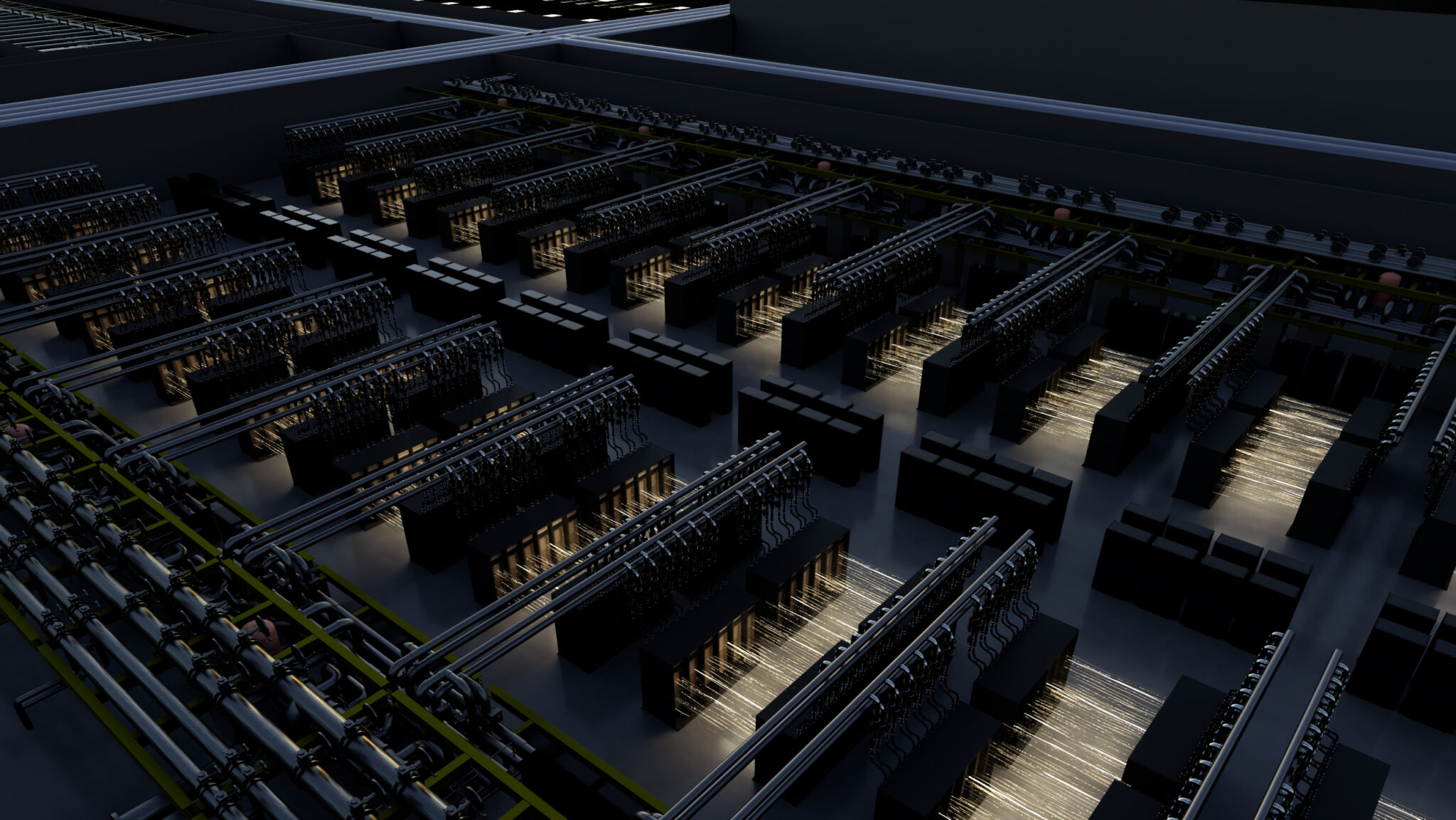
XPUs and the Economics of the AI Factory

What happened

NVIDIA discusses how AI factories, which generate intelligence at scale, operate continuously and are judged by metrics like tokens per second, tokens per watt, cost per token, utilization, and uptime.

The article argues that AI infrastructure must be designed and built as a complete factory, not just a collection of individual accelerators.

Hyperscalers and AI-native companies developing custom XPUs need to consider these factory-level requirements.

Why it matters

The shift from individual accelerators to factory-level design means that custom XPU development must prioritize system-wide efficiency and reliability over raw performance.

As AI scales, the economic viability of AI factories hinges on optimizing delivered output, making these metrics critical for any company building AI infrastructure.

This perspective could influence how future AI hardware is architected, with a focus on integration and operational continuity.

Key facts

AI factories run continuously to generate intelligence at scale.

Their economics are defined by delivered output: tokens per second, tokens per watt, cost per token, utilization, and uptime.

AI infrastructure must be designed and built as a full factory, not a collection of individual accelerators.

What to watch next

Watch for how hyperscalers and AI-native companies incorporate factory-level metrics into their custom XPU designs.

Expect further discussion on the trade-offs between accelerator-level features and factory-level operational goals.

Monitor whether industry standards emerge for measuring AI factory efficiency.

Sources

Read → Keep scrolling for the next story
罗永浩@luoyonghao · AIBID #1

【严肃提醒】我从未参与、推广或代言任何虚拟货币项目。所有使用我名字、头像或形象的账号均为假冒,请勿相信任何相关投资信息。

♡ 738 💬 690 ↻ 18
Details →
AI Chips · 6 d ago

NVIDIA Vera Rubin NVL72: 30x Efficiency Leap for AI Agents

What happened

NVIDIA announced the Vera Rubin NVL72, a new platform that sets an efficiency standard for AI agents, claiming up to 30 times more work per watt compared to previous systems.

The announcement highlights that agentic AI workloads, which involve complex tasks like researching a company for investment decisions, consume significantly more tokens than simple chat requests, based on OpenRouter data.

Why it matters

AI agents are becoming increasingly prevalent, but their high token consumption makes them computationally expensive. The efficiency gains from Vera Rubin NVL72 could make agentic AI more practical and cost-effective for widespread deployment.

The 30x improvement in work per watt suggests a major shift in how AI infrastructure is designed, potentially reducing energy costs and environmental impact while enabling more complex AI applications.

Key facts

NVIDIA Vera Rubin NVL72 delivers up to 30x more work per watt for AI agents.

Agentic AI workloads consume 15x more tokens than a simple chat request, according to OpenRouter data.

The platform is designed to handle complex agent tasks like querying financial databases, searching news, and running peer comparisons.

What to watch next

Watch for real-world benchmarks and adoption of Vera Rubin NVL72 in enterprise AI deployments, especially in financial analysis and other data-intensive agent use cases.

Monitor how this efficiency gain influences the cost of AI agent services and whether it accelerates the shift from simple chatbots to autonomous agents.

Sources

Read → Keep scrolling for the next story
AI Chips · 10 d ago

GeForce NOW Adds Firefox Support for Browser-Based Cloud Gaming

What happened

NVIDIA announced that GeForce NOW now supports Firefox, giving users another way to jump into cloud gaming directly from a browser.

The new support is available starting today, meaning Firefox users can play supported PC games without downloading a dedicated app.

The move is aimed at making high-performance PC gaming more accessible on school laptops and everyday PCs.

Why it matters

Adding Firefox broadens the entry points to GeForce NOW, reducing the barrier of installing separate software.

Browser-based cloud gaming could make high-end PC titles more practical on modest hardware, since the heavy lifting happens in the cloud.

Key facts

GeForce NOW has added Firefox browser support.

The support is available starting today.

Firefox users can play supported PC games from the browser without a dedicated app.

What to watch next

Whether NVIDIA expands browser support to other platforms in the future.

How much Firefox adoption grows among cloud gaming users now that the browser is a supported option.

Sources

Read → Keep scrolling for the next story